Why Many Restaurant Openings in Qatar Fail Before Day One: The Location Mistakes Nobody Talks About
Many new restaurant and café investors in Qatar focus heavily on menu design, interior decoration, branding, and social media. These matter—but they are not always what determines success. Some businesses lose potential before opening day because they ignore practical realities of how customers actually behave in Qatar.
1. Parking Is Not a Small Detail — It Can Decide Your Revenue
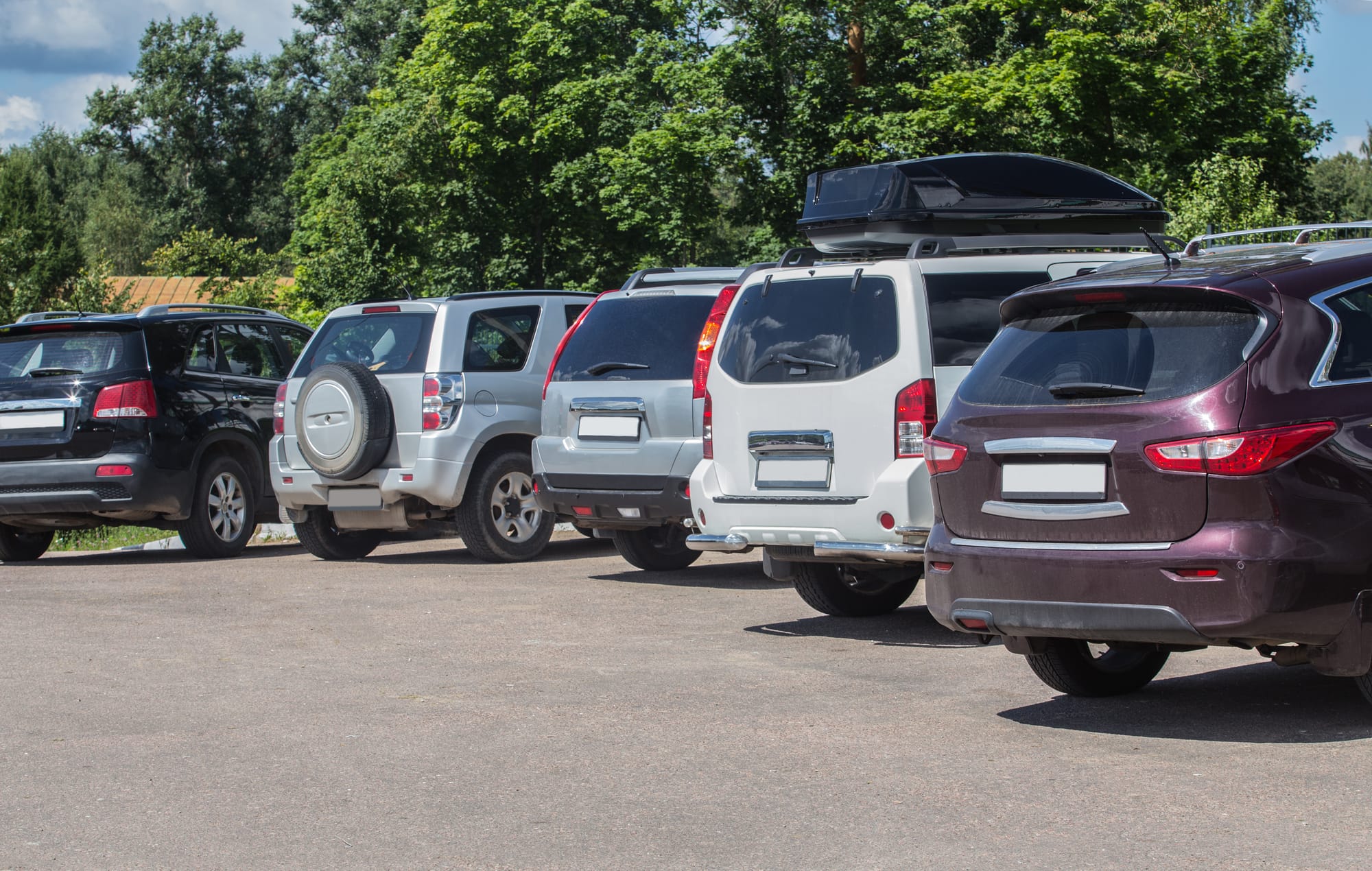
In Qatar, many customers arrive by car. If parking is difficult, inconvenient, or stressful, a large number of potential guests may simply choose another option.
This is especially true for:
- Coffee shops with quick visits
- Casual dining concepts
- Family restaurants
- Takeaway-focused brands
- Repeat neighborhood business
If a guest must circle for 10 minutes to find parking, many will never return. When evaluating a site, ask:
- Is there easy parking nearby?
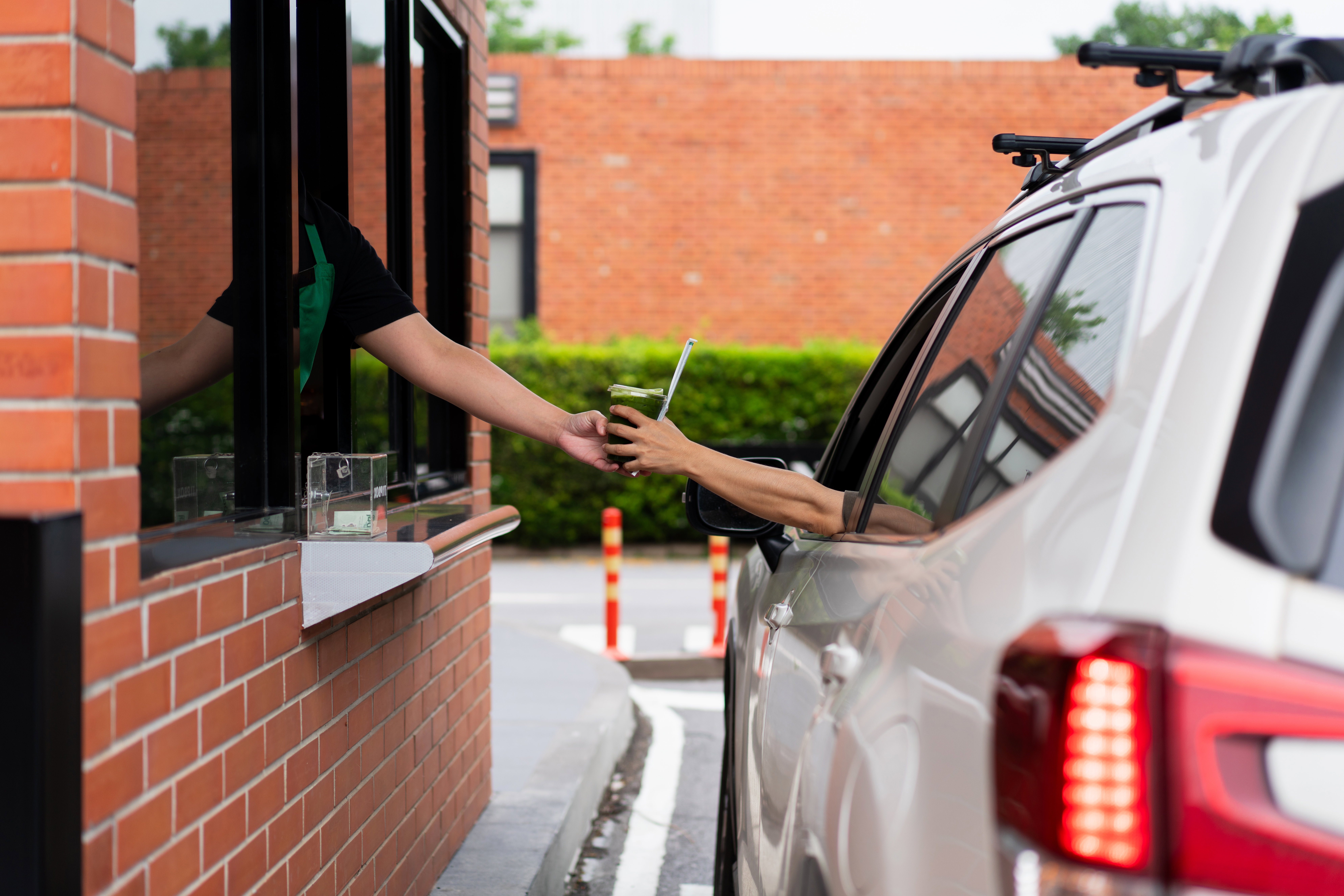
- Can customers stop quickly for pickup?
- Is access simple during peak traffic hours?
- Will delivery drivers block entrances or disturb operations?
A beautiful location with poor access can underperform badly.
2. Can Customers Enter and Exit Easily?
Some locations look attractive on paper but are frustrating in real life. Examples:
- U-turn required from busy roads
- Difficult right turns during rush hour
- Shared entrances with congested buildings
- No safe waiting area for pickups
Convenience creates repeat business. Friction destroys it.
3. Sun Exposure and Climate Matter More Than Many Think
In Qatar’s climate, sun direction and heat exposure affect customer comfort and operating cost. Consider:
- Outdoor seating usability in afternoon hours
- Glass-front heat gain and AC load
- Visibility depending on sun glare
- Terrace comfort during cooler months
A west-facing café with no shade may look great in drawings and fail in practice.
4. Are You Selling to the Right Customer in the Right Area?
A premium concept placed in a price-sensitive zone may struggle. A budget concept placed in a luxury district may also struggle. Before signing rent, study:
- Nearby residents
- Office population
- Spending habits
- Family vs single traffic
- Tourist vs repeat local traffic
- Competitor pricing
The key question is simple:
Will the people around this site happily pay for what you plan to sell?
5. Walk-In vs Delivery: Choose Your Model Honestly
Many operators want both dine-in traffic and delivery revenue without designing properly for either. If your business depends mainly on walk-in customers, visibility, parking, comfort, and access are critical. If your business is primarily delivery-based, then expensive high-street rent may be unnecessary. In that case, a lower-cost production-focused model may be smarter.
We will cover this in a separate article: The Rise of Delivery-Only Kitchens in Qatar: When a Hidden Kitchen Beats a Prime Location
6. Opening Without These Checks Often Leads to One of Two Outcomes
- Failure within the first year
- Constant operation with weak profits
And weak-profit restaurants are often more dangerous than failed ones—because they slowly consume capital.
Final Thought
In Qatar, location is not just about rent or prestige. It is about:
- customer behavior
- vehicle access
- parking convenience
- heat and sun exposure
- neighborhood spending power
- operational flow
The best concept in the wrong location often loses to an average concept in the right one.
Before you design the menu, test the parking lot.
Written by Semih Suren - QSR Operations & Restaurant Systems Leader | Multi-Units Audits • Training • Food Safety • Cost Control | Founder - RestoForge