Why Restaurants Lose Money Even When They're Full
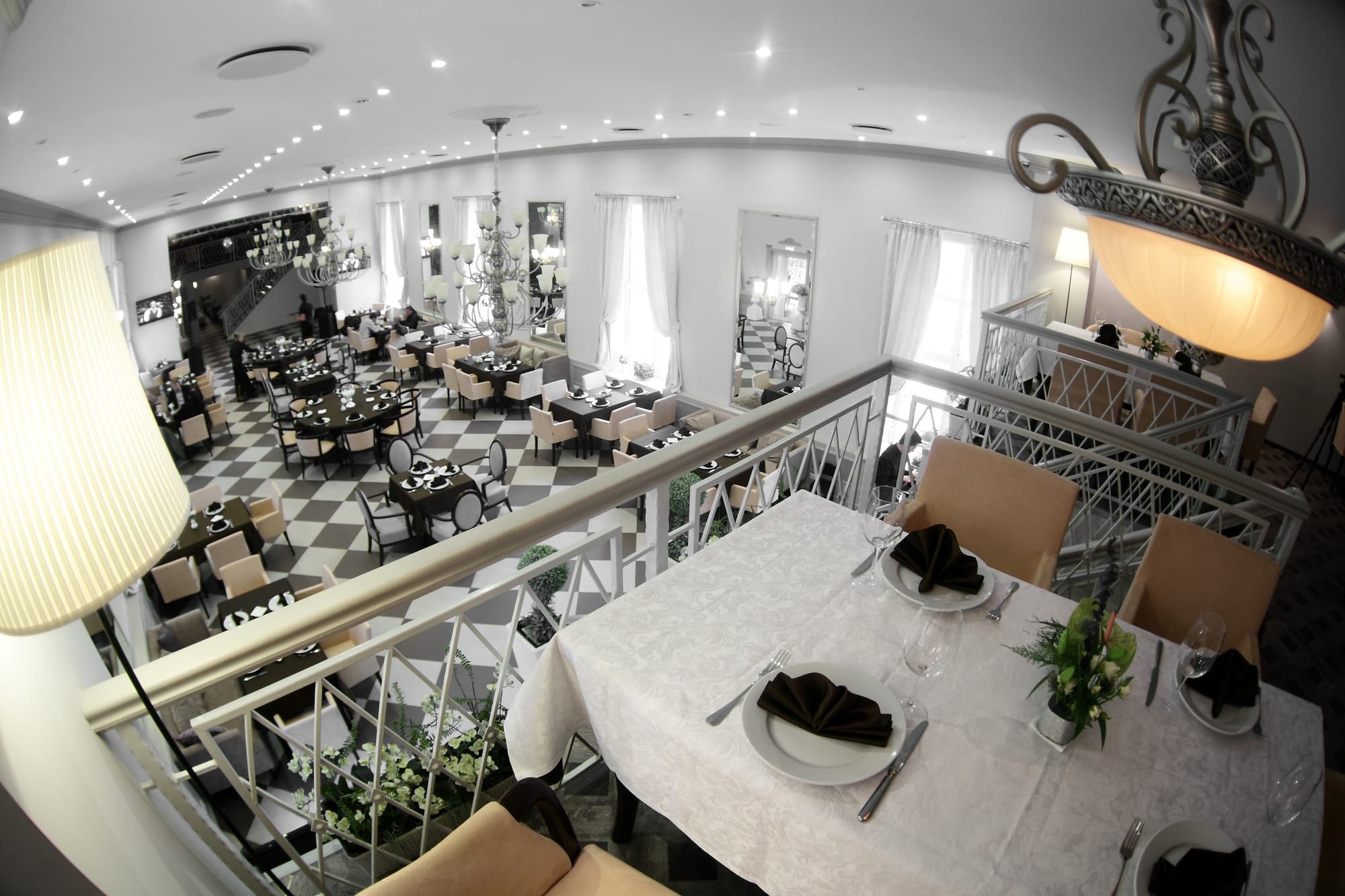
Walk into a busy restaurant on a Thursday or Friday night and you'll probably think the business is doing great. The dining room is full. Delivery orders keep coming. The kitchen is busy. Staff are running from table to table. From the outside, everything looks successful.
But after spending more than 14 years in restaurant operations, I've learned something important. A busy restaurant is not always a profitable restaurant. I've seen restaurants with queues at the door that struggled to pay suppliers. I've also seen smaller restaurants making less revenue but ending every month with a healthier profit. That's because sales and profit are two completely different things.
Qatar Has a Growing Restaurant Market. So Why Do So Many Businesses Struggle?
Qatar's foodservice industry is now worth around USD 2 billion and continues to grow every year. Depending on the source, the country has roughly 2,000 to 2,500 restaurants and cafés, from independent businesses to international brands.
At first glance, this sounds like a great market. And it is. People are eating out more than ever. Food delivery is part of daily life. New restaurants keep opening. But there is another side to the story. Every year, restaurants are listed for sale. Some change owners after only a short time. Others receive temporary closure notices because of operational or compliance issues.
This raises an important question. If demand is strong, why do so many restaurants still struggle?
In my opinion, the answer is simple. Most restaurants don't fail because they can't attract customers.
They fail because they can't manage their operations consistently.
Revenue Doesn't Pay the Bills
Many owners check one number every day. Sales. If sales are high, they feel comfortable. If sales drop, they start worrying. I think this is one of the biggest mistakes in restaurant management. Revenue is only the beginning. What really matters is how much money is left after food cost, labour, rent, utilities, delivery commissions, waste and all the other daily expenses.
I've met restaurant owners celebrating record sales while making less profit than the month before. More sales don't automatically mean more money. Sometimes they simply create more work.
Small Problems Become Big Losses
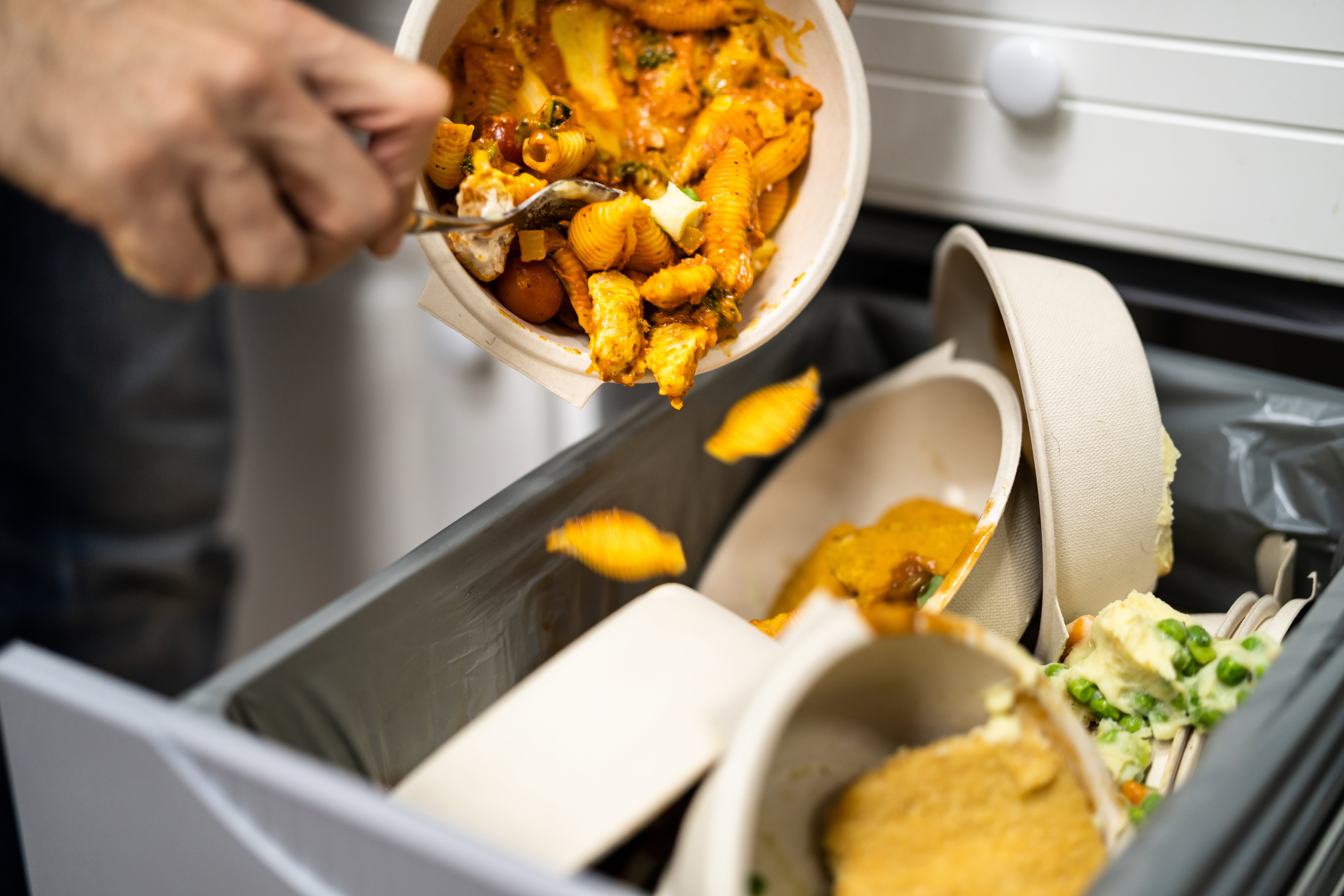
Restaurants rarely lose money because of one huge mistake. Instead, they lose money through hundreds of small mistakes that happen every day. A few extra grams of chicken. One sauce prepared but never sold. Vegetables thrown away because too much was prepped. An emergency purchase because someone forgot to order stock. A staff member making portions slightly larger than the recipe. None of these looks serious on its own. Together, they quietly eat away at profit.
This is why I always say that restaurants don't have a revenue problem. Most of the time, they have a control problem.
Food Cost Is More Than Ingredient Prices
When people hear "food cost," they immediately think about supplier prices. Of course prices matter. But that's only part of the story. The real question is whether the restaurant uses every ingredient efficiently. Are recipes standardised? Are portions consistent? Is inventory accurate? Is prep based on expected demand or just habit? If the answer to these questions is no, food cost will always be higher than it should be.
Inventory Is Not About Counting
Many restaurants still treat inventory as something they do once a month. Personally, I think that's too late. Inventory is not just about counting products. It's about making better decisions every day. How much should we order? How much should we prepare? Which products are moving slowly? Which items are likely to expire? Cash sitting in the storage room is still cash. Too much inventory creates waste. Too little inventory creates panic. Both reduce profit.
Labour Should Match Demand
Labour is another area where I often see money being lost. Having too many employees during quiet hours increases costs. Having too few employees during busy periods damages service quality. Neither is good. The goal isn't to have fewer staff. The goal is to have the right number of staff at the right time. Good scheduling saves money without reducing service.
Systems Create Profitable Restaurants
One thing I've learned over the years is this. Restaurants that depend on one brilliant manager usually struggle when that person leaves. Restaurants with good systems continue performing even when people change. Systems create consistency. Consistency creates profit. Standard recipes. Inventory controls. Daily checklists. Waste tracking. Regular audits. Clear reporting. None of these are complicated. But together, they give owners something every successful restaurant needs: Control.

Final Thoughts
Running a restaurant has never been easy. Margins are tight. Costs keep changing. Customer expectations are higher than ever. The good news is that success doesn't always come from selling more. Very often, it comes from managing better. A full restaurant doesn't guarantee success. A well-managed restaurant does.
If I could give one piece of advice to any restaurant owner, it would be this: Don't judge your business by how busy it looks. Judge it by how much profit it keeps. That's where long-term success begins.
Written by Semih Suren
Sources & References
- Ministry of Municipality, Qatar – Food Establishment Inspection & Temporary Closure Announcements.
- The Peninsula Qatar – Reports on temporary closures of food establishments (2025–2026).
- Mordor Intelligence – Qatar Foodservice Market – Growth, Trends, Forecast (2026–2031).
- Qatar Development Bank – Food & Beverage Services Sector in Qatar.
- SMERGERS – Food & Beverage Businesses for Sale in Qatar.
Food Safety News – Qatar launches Food Safety Rating System (2025).